

Can you remember how, not long ago, posting a video online meant uploading a shaky clip and hoping for the best? Today, it means choosing between Reels, Shorts, Stories and live streams, each platform competing for attention with its own format, rhythm, and rules. The evolution of video marketing isn’t just a tech story. It’s a cultural shift that changed forever the way we interact with content online, but mostly how we adjust our attention span. Keep that in mind. 💡
 It comes as no surprise that video marketing is a tool that most brands depend on in this day and age. According to Wyzowl, 91% of businesses use video as a marketing tool in 2026. Also, 85% of consumers say video has helped them make a buying decision. Did that come as a shocker? Not for us.
🙋🏻♀️ But… How?
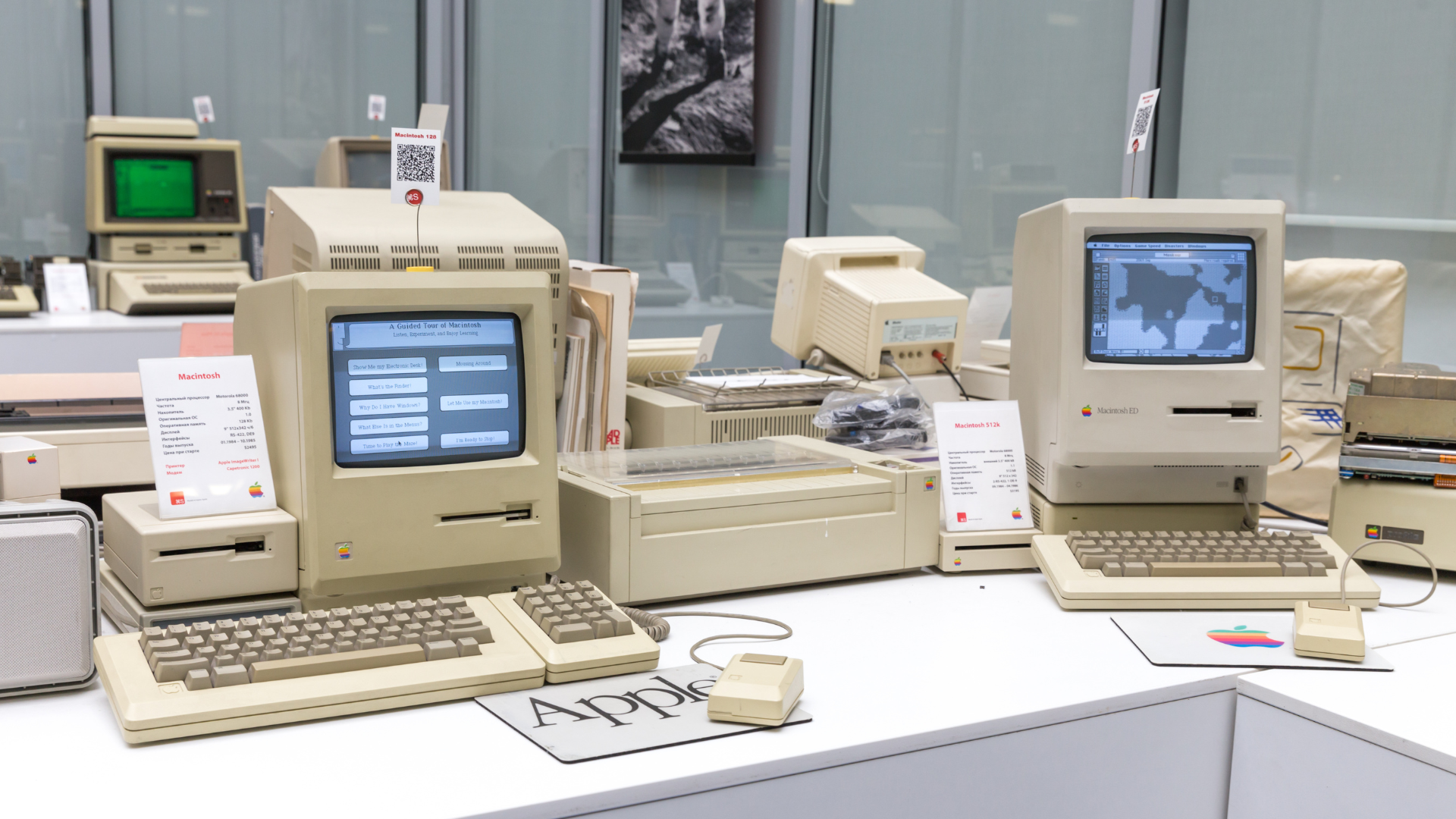 Back then, nobody was thinking about content categories or consumption patterns. People were simply sharing moments. But as the platform grew, patterns started to emerge. Music, in particular, proved to be one of video’s most enduring formats online. 🎶
Fast forward to 2026, and that instinct has become a defining global trend: music videos now account for 50% of the most-watched video content worldwide, their place as the internet’s most universal visual language. For real now, who doesn’t wanna watch the earliest Lady Gaga videos on repeat? Thank you for that, YouTube. 💥
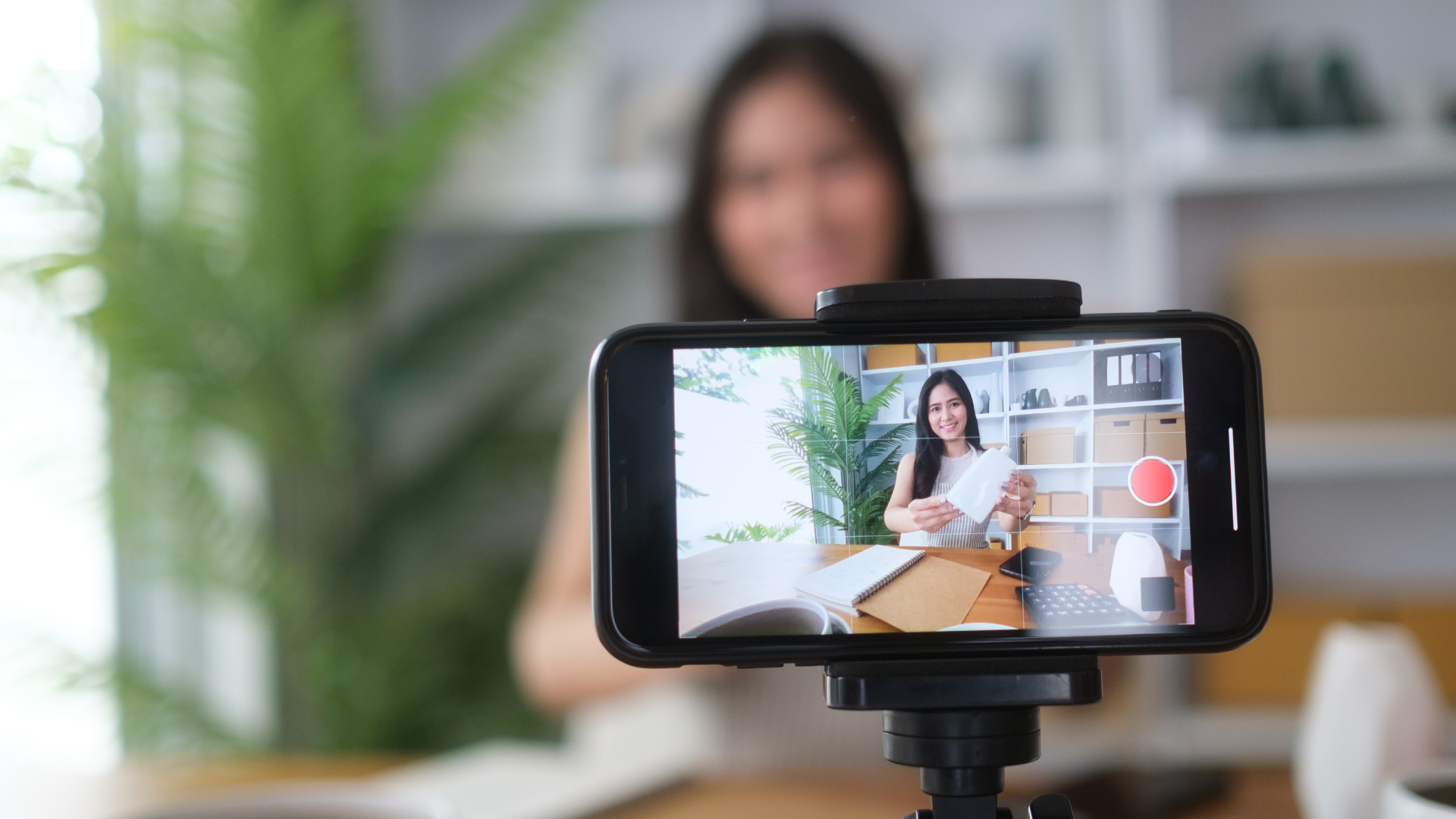 Yet the most compelling shift this year isn’t happening in the sub-60-second space everyone’s already mastered. It is happening at the opposite extreme, because long-form content is staging a comeback. Wait, what? 🫨
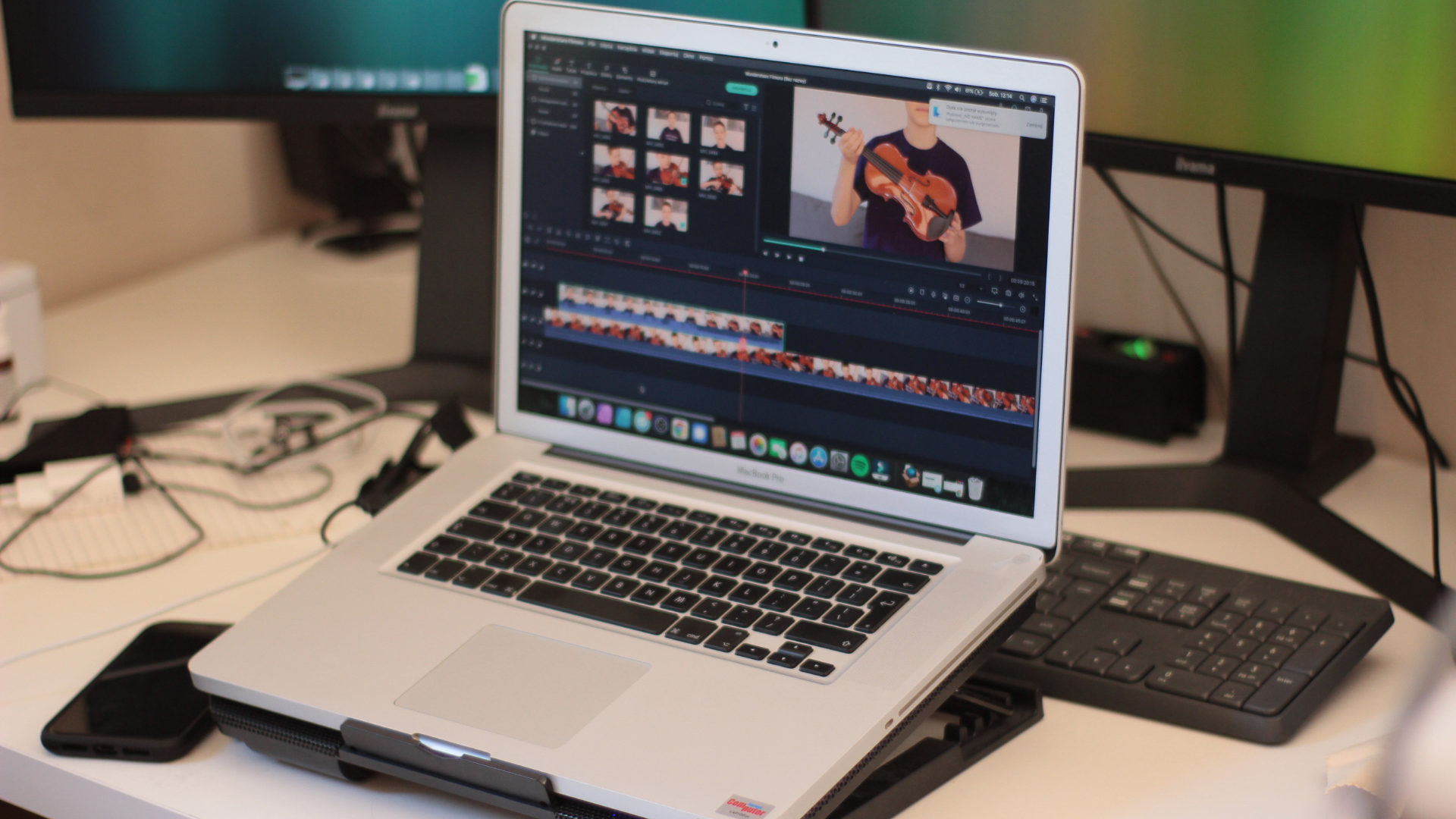 After years of shrinking attention spans and the race to hook audiences in the first three seconds, something shifted.
Scroll fatigue started to set in. ⏲️
Audiences began gravitating toward content that actually goes somewhere. The numbers reflect it: creator-driven long-form content generates 10x more views and 3x higher save rates than its shorter counterparts, and 68% of consumers say it makes a brand feel more credible.
The takeaway is clear: people don’t have short attention spans. They have low tolerance for content that isn’t worth their time. ‼️
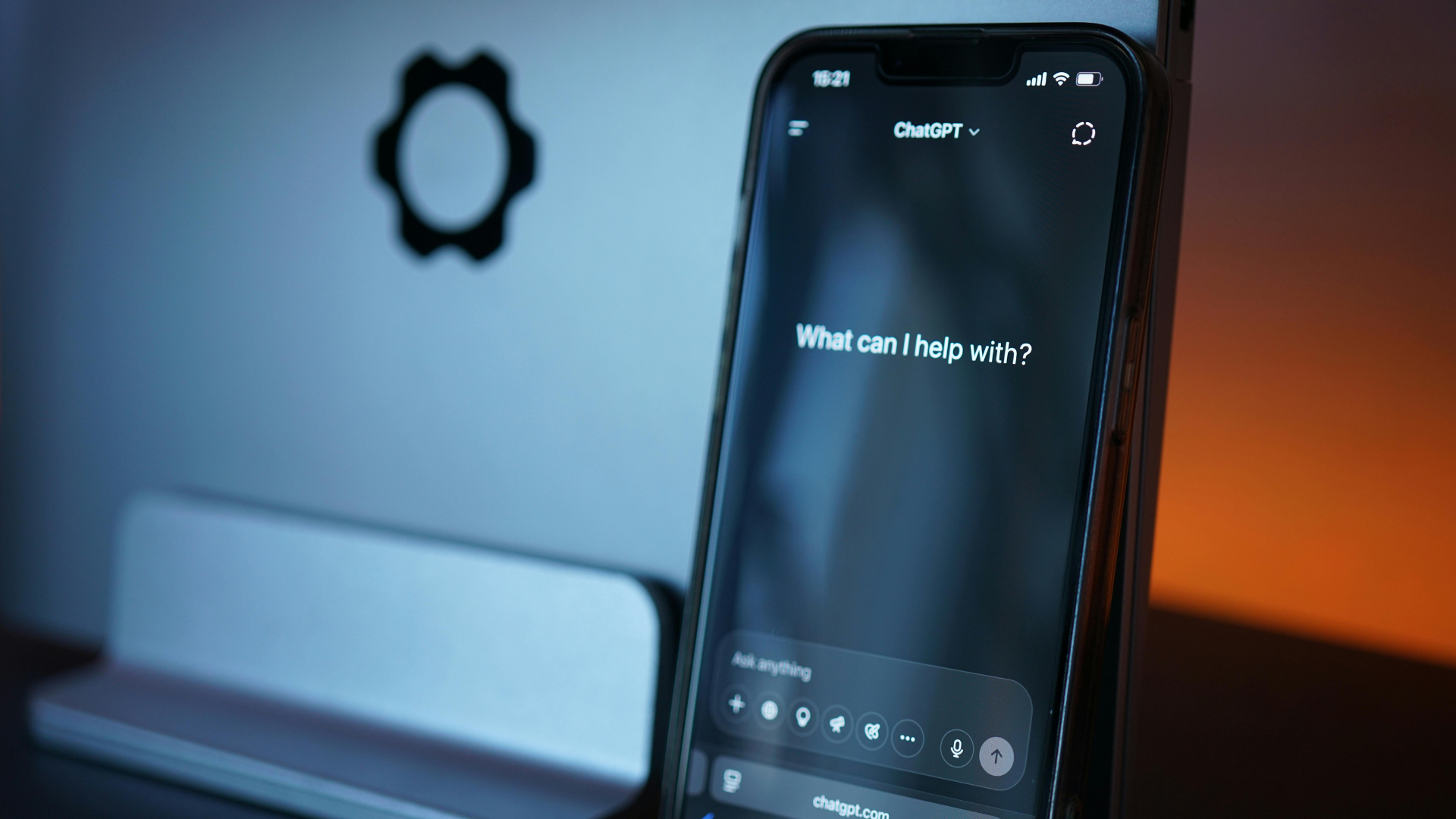 But audiences are starting to notice and push back. Over half of consumers, 52%, say they’re concerned about undisclosed AI content, and the volume of algorithmically generated posts is fueling a growing demand for something that feels genuinely human. There’s even a term for it now: AI slop, which refers to content that’s technically good but emotionally hollow, optimized for output rather than connection. ❌
Of course, AI doesn’t need to be the villain at all costs. Used thoughtfully, it’s one of the most powerful tools a marketer can have, helping brands move faster, identify the right audiences, and optimize campaigns without sacrificing authenticity. The problem isn’t AI itself. It’s the temptation to let it replace creativity rather than support it.
 Google has a new competitor and it’s actually… a vertical video. In 2026, 52% of Gen Z trust product information found on social platforms more than traditional search results. The search bar hasn’t disappeared, but the way people use it has. Video is no longer just where audiences go to be entertained. It’s where they go to decide. SEO, AEO and optimization techniques keep evolving and brands need to understand that they have to keep up.
Video marketing started as a place to share moments. In 2026, it’s a search engine, a sales channel, a trust signal, and a cultural barometer, all at once. The only wrong move is to treat it like it’s still just content. 👐
Article written by Andra Puchianu, Senior Content Creator at DIGITALEE.
It comes as no surprise that video marketing is a tool that most brands depend on in this day and age. According to Wyzowl, 91% of businesses use video as a marketing tool in 2026. Also, 85% of consumers say video has helped them make a buying decision. Did that come as a shocker? Not for us.
🙋🏻♀️ But… How?
Video marketing started… at the zoo? 🐼
Before video marketing became the backbone of every feed and algorithm, at first it was nothing but an exciting experiment in a corner of the early internet. YouTube launched in February 2005 in San Mateo, California, as a simple place where anyone could upload and share video clips.The first video ever published on the platform was a 19-second clip titled “Me at the zoo“ posted by co-founder Jawed Karim on April 23, 2005.🐆 Unpolished, unscripted, entirely unaware of the cultural shift it was setting in motion. Who would have thought we would end up here? 😵💫
Back then, nobody was thinking about content categories or consumption patterns. People were simply sharing moments. But as the platform grew, patterns started to emerge. Music, in particular, proved to be one of video’s most enduring formats online. 🎶
Fast forward to 2026, and that instinct has become a defining global trend: music videos now account for 50% of the most-watched video content worldwide, their place as the internet’s most universal visual language. For real now, who doesn’t wanna watch the earliest Lady Gaga videos on repeat? Thank you for that, YouTube. 💥
Video marketing thrives on short form domination
Two decades after YouTube’s first appearance, things have changed… but not as much as we’d think. Short-form video is still a thing. More specifically, the thing that dominates social media as we speak. In 2026, 31% of marketers say it delivers the best ROI of any content format, while brands using video marketing are growing revenue 49% faster than their competitors (according to Sprout Social). The numbers speak for themselves.
Yet the most compelling shift this year isn’t happening in the sub-60-second space everyone’s already mastered. It is happening at the opposite extreme, because long-form content is staging a comeback. Wait, what? 🫨
Guess who’s making a comeback? Long form content!
People are getting tired of brainrot and short video content that doesn’t stick with them at all. Curious enough, the shift encourages platforms to reintroduce long form content by any means necessary. For example, TikTok now supports uploads of up to 10 minutes, a move that would have seemed unthinkable just a few years ago. 👀
After years of shrinking attention spans and the race to hook audiences in the first three seconds, something shifted.
Scroll fatigue started to set in. ⏲️
Audiences began gravitating toward content that actually goes somewhere. The numbers reflect it: creator-driven long-form content generates 10x more views and 3x higher save rates than its shorter counterparts, and 68% of consumers say it makes a brand feel more credible.
The takeaway is clear: people don’t have short attention spans. They have low tolerance for content that isn’t worth their time. ‼️
When AI Help Becomes AI Slop
As we were talking about content that isn’t worth people’s time, I think it was about time we brought up the intense use of AI in video generated content. It is now everywhere: in ads, in feeds, in influencer campaigns that may or may not feature a human being at all. The virtual influencer market alone is projected to reach $15.9 billion in 2026, and 60.2% of marketers are already using AI tools for influencer identification and campaign optimization. ✨
But audiences are starting to notice and push back. Over half of consumers, 52%, say they’re concerned about undisclosed AI content, and the volume of algorithmically generated posts is fueling a growing demand for something that feels genuinely human. There’s even a term for it now: AI slop, which refers to content that’s technically good but emotionally hollow, optimized for output rather than connection. ❌
Of course, AI doesn’t need to be the villain at all costs. Used thoughtfully, it’s one of the most powerful tools a marketer can have, helping brands move faster, identify the right audiences, and optimize campaigns without sacrificing authenticity. The problem isn’t AI itself. It’s the temptation to let it replace creativity rather than support it.
Video marketing as the ultimate search engine
Google has a new competitor and it’s actually… a vertical video. In 2026, 52% of Gen Z trust product information found on social platforms more than traditional search results. The search bar hasn’t disappeared, but the way people use it has. Video is no longer just where audiences go to be entertained. It’s where they go to decide. SEO, AEO and optimization techniques keep evolving and brands need to understand that they have to keep up.
Video marketing started as a place to share moments. In 2026, it’s a search engine, a sales channel, a trust signal, and a cultural barometer, all at once. The only wrong move is to treat it like it’s still just content. 👐
Article written by Andra Puchianu, Senior Content Creator at DIGITALEE.

Post A Comment